

Tips for Buying Original Art Online: A 2026 Guide
Aug 28, 2026
Table of Contents
- Set Your Budget and Understand Pricing
- How to Verify Original Art Authenticity
- Research Artists and Styles Before You Buy
- Questions to Ask Art Galleries Before Buying
- Benefits of Buying Art From Local Artists
- Understand Shipping, Insurance, and Return Policies
- Inspect Your Artwork Upon Arrival and Plan for Long-Term Care
- Buying Original Art Online: Direct From Artists vs. Galleries
Last Updated: August 28, 2026
Set Your Budget and Understand Pricing
Your budget determines which artists and galleries become accessible to you. A collector spending $500 will see different inventory than one with $5,000 to invest. When setting your budget, consider the artist's experience level and exhibition history, the size and medium of the work, whether it's a one-of-a-kind original or limited edition, and gallery overhead versus direct-from-artist pricing. Original paintings typically cost more than drawings or prints, and contemporary works from established artists command higher prices than emerging talent.
Buying original art online offers more flexibility than gallery shopping in person. You can browse at your own pace, compare multiple artists across different price points, and take time to decide without sales pressure.
At Cairngorm Artists, our Highland artists create original pieces, recognizing that passion for art isn't determined by spending capacity.
How to Verify Original Art Authenticity
A certificate of authenticity is your first line of protection. This document should include the artist's name, title of the work, date of creation, medium used, dimensions, and ideally a photograph of the piece. The certificate should be signed by the artist or issued by the gallery representing them.
The artist's signature on the work itself matters, though what's more difficult to fake is the artist's documented exhibition history and provenance, the documented ownership trail of the piece. Check whether the artist has an official website, gallery representation, or social media presence where you can verify their body of work.
When buying from a gallery or marketplace, verify their credentials. How long have they been operating? Do they have artist representation agreements? Can they provide references from previous buyers? Galleries established for years and maintaining relationships with multiple artists are generally safer than brand-new platforms.
Ask the seller directly about the piece's provenance. Where did it come from? Who owned it previously? Has it been displayed in exhibitions? Original artwork with documented history is more valuable and verifiable than pieces with unclear backgrounds.
Research Artists and Styles Before You Buy
Impulse buying artwork online is easy; strategic collectors research first, then buy.
Start by identifying what resonates with you visually. Do you prefer landscapes, abstracts, figurative work, or something else? What color palettes work in your space? What size artwork will your walls accommodate? These practical considerations narrow your search significantly.
Once you know your preferences, research artists working in those areas. Follow their social media, read artist statements, and look at their bodies of work over time. You'll notice patterns in how their style has evolved and which themes recur.
Look at where artists exhibit. Do they show in established galleries? Have they been featured in art publications or curated collections? Artists with exhibition history and critical recognition typically maintain higher standards.
Read artist biographies carefully. Where are they based? What's their background? For collectors drawn to specific regions or cultural perspectives, this context matters. At Cairngorm Artists, our Highland artists draw inspiration directly from the Scottish landscape and wildlife they live among.
Consider whether you want to build a collection around a single artist or diversify across multiple creators. Collectors who focus on one artist often develop deeper relationships with their work and see greater appreciation over time.
Questions to Ask Art Galleries Before Buying
Before committing to a purchase, ask specific questions that reveal whether a gallery operates with integrity and transparency.
Start with artist representation. Is the gallery officially representing this artist, or are they reselling work they've acquired elsewhere? Official representation means the gallery has a direct relationship with the creator and can speak authoritatively about their work.
Ask about the condition report. Has the artwork been inspected for damage? Are there any restoration attempts or repairs? Even minor damage should be documented and disclosed.
Inquire about return policies. What happens if the piece arrives and doesn't work in your space? How long do you have to return it? Who covers return shipping costs?
Ask about shipping and insurance procedures specifically. How is the artwork packaged? What insurance covers it in transit? Is insurance included in the price or added separately? What's the gallery's process if damage occurs during shipping?
Request references from previous buyers if possible. A gallery willing to connect you with past customers demonstrates confidence in their service.
Benefits of Buying Art From Local Artists
When you buy directly from or through galleries representing local artists, more of your money reaches the creator. Middlemen and large commercial galleries take significant cuts.
Local artists often provide context and story that mass-produced art cannot. They can explain their creative process, the inspiration behind specific pieces, and their connection to the landscapes or subjects they depict. This narrative enriches your experience of owning the work.
Supporting local artists strengthens cultural communities. When collectors invest in work created by artists rooted in a place, they're helping preserve and celebrate that region's artistic heritage.
Local artists typically offer more flexibility in commissions and custom work. Many will create pieces tailored to your specifications, specific locations, color palettes, or subject matter.
Emerging local artists whose work gains recognition often see significant appreciation in value. Early collectors of artists who later achieve broader success benefit from that trajectory.
At Cairngorm Artists, our collective of Highland artists creates original work inspired by the landscapes and wildlife surrounding them. Buying from these creators means supporting artists deeply connected to the subject matter they depict.
Understand Shipping, Insurance, and Return Policies
Artwork should be professionally packed with archival-quality materials that protect against moisture, temperature fluctuations, and physical damage. Ask whether the gallery uses professional art logistics services or standard shipping providers.
Confirm whether the artwork is insured during transit and what that insurance covers. Full-value insurance protects against loss or damage, but some policies have limitations. Understand the claim process and how compensation is determined.
Return policies should be clearly stated before purchase. How many days do you have to return the piece if it doesn't work in your space? Who pays for return shipping? These policies vary dramatically.
Ask specifically about the gallery's safe-arrival guarantee or equivalent protection. What happens if the piece arrives damaged? Does the gallery replace it, refund you, or require you to file an insurance claim yourself?
Track your shipment carefully. Request tracking information and signature-required delivery. Photograph the packaging when it arrives, before opening it. If damage occurs, document it immediately with photos.
Inspect Your Artwork Upon Arrival and Plan for Long-Term Care
When your original artwork arrives, treat the unboxing as a careful inspection process.
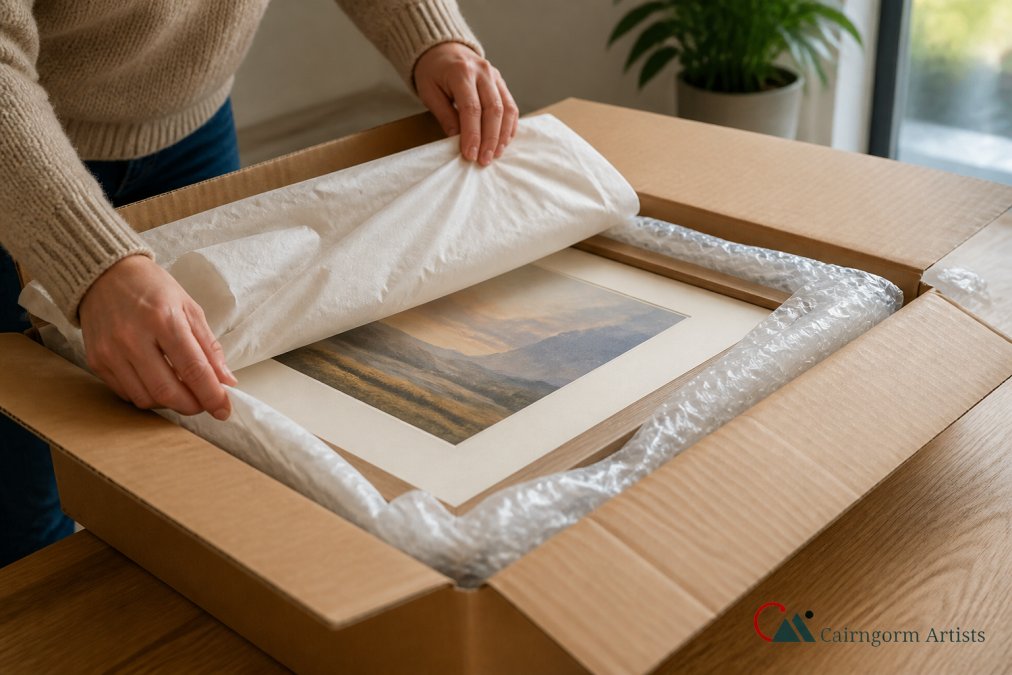
Before removing the piece from packaging, photograph everything: the sealed box, the packing materials, the wrapped artwork. This documentation proves the condition upon arrival.
Inspect the piece thoroughly under good lighting. Check for any visible damage: cracks in glass or frames, dents, scratches, color fading, or moisture damage. Compare the physical piece to the photographs provided by the gallery.
If you notice damage, photograph it immediately and contact the gallery within the timeframe specified in their return policy. Don't attempt repairs yourself.
Once confirmed the piece arrived in good condition, plan for proper display and care. Avoid hanging it in direct sunlight, which fades pigments over time (si.edu). Keep it away from moisture sources like bathrooms or kitchens. Maintain stable temperature and humidity levels.
Consider professional framing if the piece isn't already framed. Archival-quality framing uses acid-free materials that preserve the artwork without degrading it (loc.gov).
For valuable pieces, consider art insurance. Homeowner's insurance typically covers artwork minimally. Specialized art insurance policies provide full-value coverage and often include appraisal services.
Buying Original Art Online: Direct From Artists vs. Galleries
Buying directly from artists offers several advantages. You communicate with the creator, gaining insight into their process and vision. You typically pay lower prices since there's no gallery markup. You support the artist most directly, with the full purchase price reaching their studio. Many artists offer custom commissions.
Direct artist purchases require more research on your part. You're responsible for verifying authenticity and provenance. You may have less recourse if something goes wrong, as individual artists often lack formal return policies or damage resolution procedures.
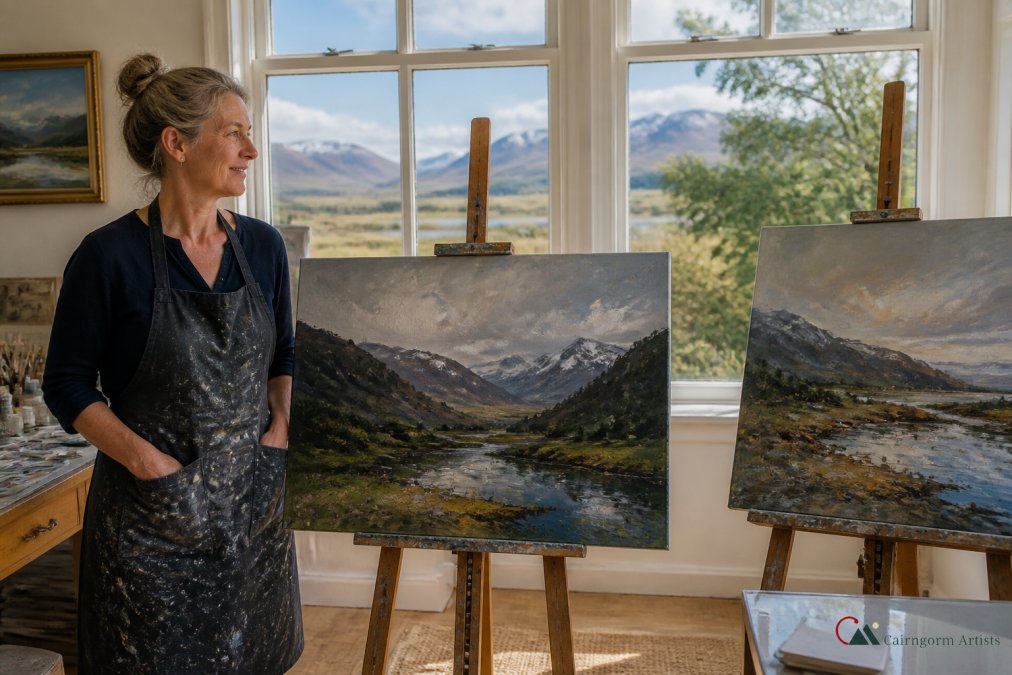
Galleries provide structure and professional services. They vet artists before representation, which pre-filters quality. They handle logistics, shipping, insurance, and customer service professionally. They offer documented return policies and damage resolution procedures.
Galleries charge markup, typically 40-50% above what the artist receives. This markup covers overhead, marketing, customer service, and professional standards.
For emerging collectors uncertain about authentication or concerned about logistics, galleries provide valuable peace of mind. For experienced collectors willing to do research and communicate directly with artists, direct purchases offer better pricing and deeper artist relationships.
At Cairngorm Artists, we operate as a curated gallery representing Highland artists. We handle all logistics, provide certificates of authenticity, offer our safe-arrival promise, and ensure pieces arrive ready to hang. We also work with artists on custom commissions for collectors wanting personalized pieces inspired by the Highlands.
Buying original art online doesn't have to feel risky. The process becomes manageable when you understand pricing, verify authenticity, research artists thoroughly, and work with galleries that stand behind their products. Whether you're purchasing your first original piece or expanding an established collection, these practices protect your investment and ensure you end up with artwork you genuinely love. At Cairngorm Artists, we're committed to making the experience seamless, our Highland artists create original work that brings the spirit of Scotland into your home, backed by our safe-arrival promise and professional handling throughout the entire process.
Frequently Asked Questions
Q: What should I look for when buying original art online?
A: Look for a certificate of authenticity, artist signature, and condition report. Verify the seller's provenance documentation and return policy. Request high-resolution images showing the artwork's details, dimensions, and medium. Check for artist credentials and gallery representation. Ask about archival quality materials and whether the piece comes ready to hang. A reputable seller will provide clear answers to all these questions.
Q: How can I tell if an online art gallery is reputable?
A: Check for detailed artist information, transparent provenance records, and buyer protection guarantees. Look for professional photography and accurate dimensions. Read customer reviews and verify the gallery's return policy. Reputable galleries provide certificates of authenticity, shipping insurance options, and clear contact information. They should answer questions about the artist's background, the artwork's condition, and handling procedures. Galleries representing local artists often display artist bios and studio information.
Q: Why is investing in local wildlife art a good choice?
A: Buying from local artists supports independent creators and strengthens your community's cultural economy. Local artists often bring authentic, place-based perspectives to their work—particularly important for wildlife and landscape art. You're acquiring original pieces with genuine provenance rather than mass-produced reproductions. Local artists typically offer better communication about their work's story, materials, and care requirements. Supporting local talent also means your investment contributes directly to artists continuing their craft.
Q: Is it safe to buy original artwork from independent artists?
A: Yes, when you follow proper precautions. Request certificates of authenticity and condition reports before purchasing. Verify the artist's background and ask about their experience with shipping and handling. Use payment methods offering buyer protection. Confirm shipping insurance is included or available. Check the return policy and ensure clear communication channels exist. Independent artists who take their practice seriously will provide documentation, professional packaging, and responsive customer service—just like established galleries.


