

Why Scottish Wild Coastal Landscapes Are Trending
Oct 03, 2026
Table of Contents
- The Magnetic Pull of Untamed Scottish Shores
- Geological Drama: What Makes Scottish Coastal Formations Stand Out
- Weather, Light, and Atmosphere: The Ever-Changing Canvas
- Biodiversity and the Rewilding Movement
- Modern Alternatives to Classic Highland Loch Art
- Scottish Coastal Wall Art for Contemporary Interiors
- Scottish Landscape Interior Design Trends and the Nature Connection
- Bringing Wild Scottish Coastal Beauty Into Your Home
- Frequently Asked Questions
Last Updated: October 2, 2026
The Magnetic Pull of Untamed Scottish Shores
Scottish wild coastal landscapes are trending because they offer something mass-produced interiors cannot: authenticity, emotional depth, and a connection to place that resonates with people seeking meaning in their homes. Whether it's the raw drama of sea cliffs, the moody interplay of light and weather, or the sense of solitude found in remote corners of the Highlands, these landscapes speak to a deeper human need for wildness and refuge.
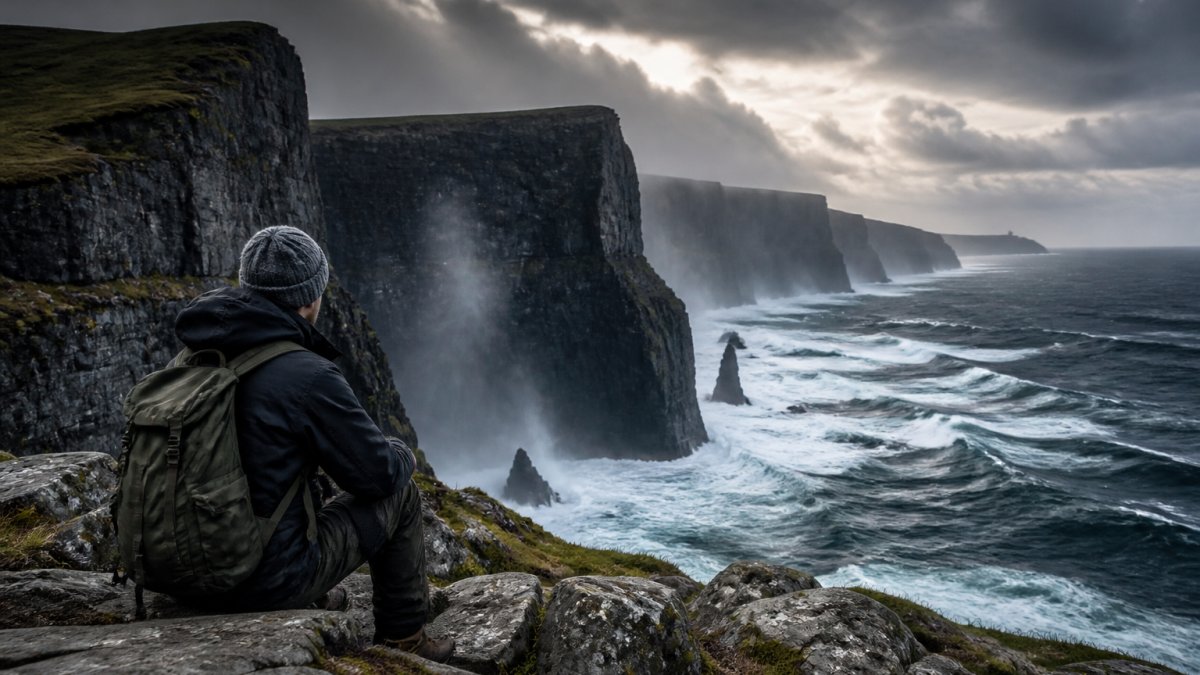
This shift reflects a broader cultural movement toward untamed, authentic artwork connected to real geography. Research shows that exposure to wild, atmospheric landscapes reduces stress and fosters belonging.
Scottish wild coastal landscapes differ through specificity: they're moody, unpredictable, and genuinely dramatic rather than idealized. They're real places with real geological history and emotional weight. Collectors buy a piece of Scotland itself, not a generic coastal scene.
Geological Drama: What Makes Scottish Coastal Formations Stand Out
The Scottish coastline is geologically extraordinary, shaped by ancient volcanic activity, ice-age erosion, and tectonic movement. Dramatic cliffs, weathered basalt columns, and rugged headlands are visual records of deep time.
Photographers, artists, and collectors find compelling visual drama in these geological features. Cliffs tower, rock formations command attention, and light-shadow interplay across ancient stone creates endless compositional possibilities, offering scale, power, and timelessness that smooth landscapes cannot.
Sea cliffs host nesting seabirds, rocky shores teem with marine life, and transition zones create unique habitats. Artists capture living systems that make landscapes dynamic, translating ecological richness into visual richness, textures, and movement that manicured landscapes lack.
Weather, Light, and Atmosphere: The Ever-Changing Canvas
Scottish coastal weather is relentless but follows patterns that shape landscape appearance across seasons and times of day, offering visual variety that manicured landscapes cannot match.
Winter storms and dramatic light (November-February). Atlantic storm systems bring sustained wind, heavy rain, and rapid light changes.
Spring transition and emerging light (March-May). Day length increases, light becomes higher and more direct, and storms alternate with clearing periods. Mist shifts from dense fog to translucent veils.
Summer light and rare clarity (June-August). Extended daylight and frequent clear days bring pale, diffuse light creating soft shadows and subtle color gradations.
Autumn transition and returning storms (September-October). Frequent but shorter-lived storms create rapid light changes.
Daily light cycles and tidal patterns. Dawn light is pale and directional; mid-day light is diffuse; late afternoon light becomes warm and directional.
Why this variability drives the trend. Scottish coastal art embraces constant change and dramatic mood shifts, unlike traditional landscape art's idealized moments.
Light and shadow across water, cliff, and mist create atmospheric depth: golden light through dark clouds, metallic wet rock, translucent spray backlit by sunshine.
Biodiversity and the Rewilding Movement
Scotland's wild coastal areas support remarkable biodiversity: sea eagles, seals, otters, and seabirds depend on these ecosystems. Rocky shores host intricate communities forming marine food webs. This ecological richness is increasingly recognized as culturally and aesthetically valuable.
The rewilding movement has gained momentum, with conservation efforts restoring ecosystems and allowing landscapes to recover from centuries of human management. People increasingly want to support and celebrate wild places rather than tame them.
Collectors prefer artwork celebrating wilderness preservation and natural heritage. Pieces capturing untouched or recovering landscapes feel meaningful, representing not just beauty but commitment to environmental values.
Modern Alternatives to Classic Highland Loch Art
Highland loch art dominated Scottish interior design for decades with calm water, soft light, and peaceful compositions. They're still beautiful but represent an aesthetic moment that's shifting.
Contemporary collectors seek alternatives that feel more dynamic and emotionally complex. Coastal landscapes with dramatic cliffs and turbulent water offer visual energy that loch scenes cannot. Storm-approaching scenes convey mood and psychological depth.
Modern coastal work integrates more easily into contemporary interiors than traditional loch paintings. Stormy skies, textural rocky shores, and mist color palettes work with minimalist, industrial, and eclectic design schemes, appealing to a broader audience.
Scottish Hillside - Canvas print from original artwork →
Scottish Coastal Wall Art for Contemporary Interiors
Scottish coastal wall art has become its own category. Unlike loch paintings emphasizing serenity, coastal pieces embrace drama and work as focal points. A large canvas commands attention and sets emotional tone.
Coastal art connects to personal memory and aspiration. Collectors may have visited the Scottish coast, have Scottish heritage, or feel drawn to wild places representing freedom, solitude, and escape.
Scottish coastal pieces work in living rooms as statement art, in studies as contemplative focal points, in hallways as conversation starters. Color palettes of slate grays, deep blues, and muted greens complement both neutral and saturated schemes. Atmospheric quality creates depth, making rooms feel larger.
| Interior Setting | Best Coastal Art Type | Why It Works |
|---|---|---|
| Modern living room | Abstract storm scenes | Bold color and movement complement minimalist furniture |
| Traditional study | Realistic coastal views | Detailed composition rewards close viewing |
| Contemporary hallway | Atmospheric seascapes | Moody lighting guides eye movement through space |
| Bedroom | Misty, calm coastal scenes | Peaceful mood supports rest and reflection |
Scottish Landscape Interior Design Trends and the Nature Connection
Biophilic design, incorporating natural elements into interiors, has moved from niche concept to mainstream principle. The specific appeal of wild Scottish landscapes reveals deeper psychological drivers than generic nature imagery.
Environmental psychology distinguishes between manicured nature (reducing stress through predictability) and untamed nature (reducing stress through "soft fascination"). Wild landscapes hold attention without demanding cognitive effort.
This explains why people are drawn to wild coastal imagery. The emotional response isn't aesthetic preference alone; it's a form of psychological restoration.
The seasonal dimension adds another layer. Unlike static interior design trends, the appeal of wild Scottish coastal landscapes shifts with the viewer's own seasonal experience.
The trend also reflects a conscious rejection of what designers call "Instagram aesthetics", the flattened, over-processed, universally appealing imagery that dominates social media. Wild Scottish landscapes resist this flattening.
Sustainable engagement with landscape has become a value marker. Rather than traveling frequently to see wild places, with associated carbon costs and ecosystem pressure, people can maintain their connection to nature and place through original artwork.
Bringing Wild Scottish Coastal Beauty Into Your Home
Creating a home that celebrates Scottish wild coastal landscapes doesn't require a large budget or extensive design expertise. It begins with choosing artwork that genuinely resonates with you, pieces that capture the specific emotional quality you're seeking, whether that's drama, solitude, atmospheric mystery, or the raw power of nature.
When selecting coastal artwork, consider the emotional tone you want. Do you want pieces that energize and invigorate, with dramatic storms and crashing waves? Or do you prefer quieter scenes with mist and subtle light?
Scale matters significantly. A small print of a coastal scene can feel decorative; a large canvas commands attention and becomes a true focal point. If you're investing in original artwork, larger pieces often feel more impactful and justify the investment through years of daily engagement.
Cairngorm Artists offers a range of Scottish coastal and landscape pieces that bring this aesthetic into contemporary homes. The Scottish Hillside canvas print captures abstract drama with deep reds and earthy greens beneath stormy clouds, creating bold character over a sofa or in an entryway. For those seeking more atmospheric work, the Storm over Glencoe canvas uses layered color and texture to convey the approach of a storm, a piece that holds attention and sets mood in any room.


For collectors drawn to the quieter drama of solitary buildings in landscape, pieces like Suileag Bothy View and Misty Highland Croft offer that contemplative quality. These explore the quiet between weather and land, bringing a sense of restful stillness to a living room or study. The Old Bothy, Isle of Harris presents a quiet waterside refuge with a bright red roof against cool blue water and brooding skies, a subtle, coastal focal point for any interior.

Each piece arrives ready to hang with Cairngorm Artists' safe-arrival promise, ensuring your investment in authentic Highland artwork reaches you in perfect condition. Created by ten talented Highland artists, these works capture the raw beauty of local wildlife and wild coastal landscapes, bringing the spirit of Scotland directly to collectors around the world.
Frequently Asked Questions
What makes Scottish wild coastal landscapes different from other UK coastlines?
Scottish wild coastal landscapes combine ancient geological formations, unpredictable Atlantic weather systems, and vast untamed wilderness in ways unique to the north coast and islands. The sheer scale of rugged cliffs, the intensity of marine biodiversity, and the remoteness of many locations create an atmospheric intensity that other regions struggle to match. This combination of drama, isolation, and raw natural heritage appeals to collectors seeking authenticity over manicured scenery.
How can I incorporate Scottish coastal themes into my home without it feeling like a tourist souvenir?
Choose artwork that captures the emotional essence of wild landscapes rather than literal postcards. Abstract or expressive interpretations of storms, mist, and rugged terrain feel more sophisticated than realistic tourist imagery. Pieces featuring solitary bothies, windswept moorland, and brooding skies, like Storm Over Glencoe (£44) or Old Bothy, Isle of Harris (£169), bring authenticity without kitsch. Pair these with neutral interiors and quality framing to elevate the aesthetic.
Why is there growing interest in rewilding and wild landscapes in art?
The rewilding movement reflects a cultural shift toward valuing untamed nature and ecosystem restoration. As digital life intensifies, collectors increasingly seek art that represents wilderness preservation and environmental consciousness. Scottish wild coastal landscapes embody this perfectly, they showcase nature reclaiming its power and beauty without human intervention. This trend connects emotional wellness with environmental values, making wild landscape art meaningful beyond decoration.
Are original Scottish landscape artworks worth the investment compared to prints?
Original artwork captures the artist's hand, texture, and intention in ways prints cannot replicate. Cairngorm Artists offers canvas prints from original works starting at £36-£44 for abstract interpretations, with larger pieces at £169-£227. These are created using water-based HP Latex inks on poly-cotton canvas with UV protection, ensuring longevity. For collectors seeking authenticity without gallery prices, canvas prints from original Highland artist work offer genuine artistic value with the durability of museum-quality materials.
The trend toward Scottish wild coastal landscapes reflects something deeper than aesthetic preference. It's a recognition that authenticity, wildness, and connection to place matter. These landscapes offer visual drama, emotional resonance, and a sense of refuge in an increasingly managed world. By bringing them into your home through original artwork, you're not just decorating, you're creating daily contact with what makes you feel alive, connected, and at home.


