

Collecting Hebridean Art for Beginners: A 2026 Guide
Oct 02, 2026
Table of Contents
- Understanding Hebridean Art and What Makes It Distinctive
- How to Identify Authentic Hebridean Art
- Step 1: Research Artists and Understand Your Preferences
- Step 2: Learn About Provenance and Verify Artist Credentials
- Benefits of Buying Original Wildlife Art
- Step 3: Evaluate and Purchase Your First Piece
- How to Care for Original Oil Paintings and Canvas Prints
- Building Your Collection: Next Steps and Investment Guidance
- Frequently Asked Questions
Last Updated: October 1, 2026
Understanding Hebridean Art and What Makes It Distinctive
Hebridean art captures the raw spirit of Scotland's islands through artists who live and work within these dramatic landscapes. At Cairngorm Artists, we work with Highland artists who draw inspiration from windswept coastlines, wildlife, and shifting light. This tradition combines seascape, landscape, and wildlife art into pieces that feel both deeply personal and universally resonant.
Authentic Hebridean art requires the artist's genuine connection to place. Artistic inspiration flows from daily island life: light on water at dawn, wildlife movement, and local materials that influence color and composition.
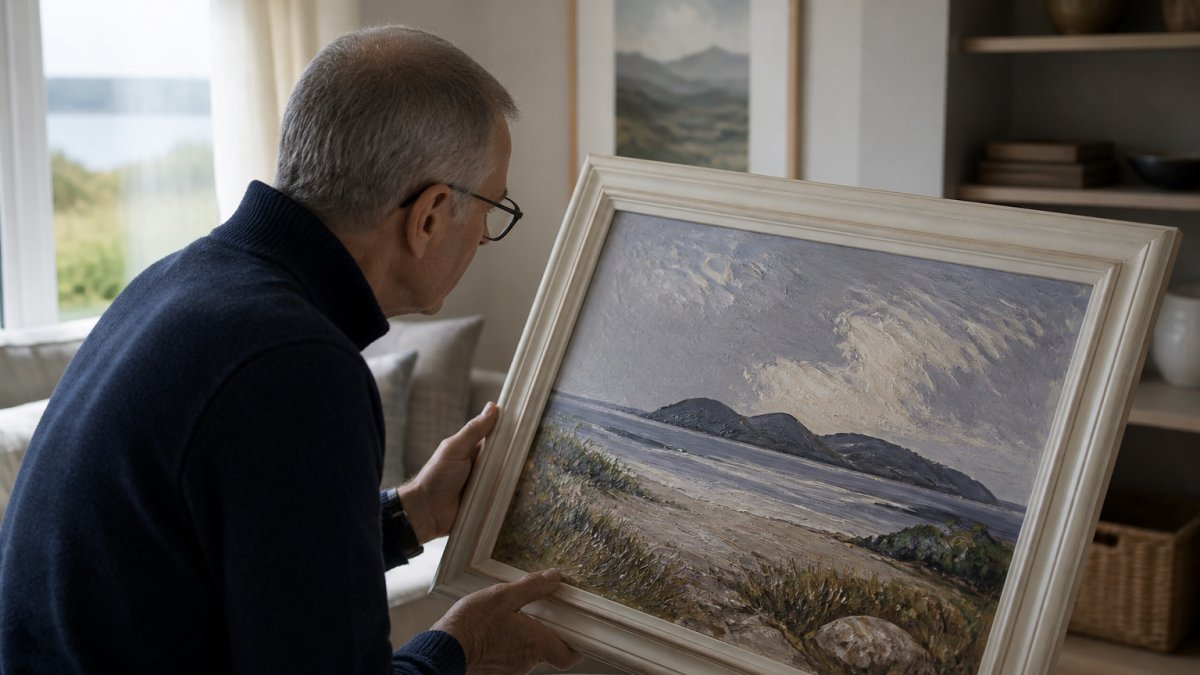
Authentic Hebridean art typically features:
- Hand-painted original works on canvas or fine art paper
- Subjects rooted in actual island locations and wildlife
- Artist signatures that can be verified against studio records
- Provenance that traces back to the artist's studio or an established gallery
- A certificate of authenticity documenting the piece's origin
The market for collecting Hebridean art has grown as collectors worldwide seek authentic Scottish island work. Understanding authenticity and value is essential before your first purchase.

How to Identify Authentic Hebridean Art
Identifying authentic Hebridean art requires verifying the artist's background, signature, and certificate of authenticity.
Check the Artist's Background and Location
Start by researching the artist directly. Authentic Hebridean artists maintain studios or galleries within the Highlands or Islands. Look for:
- Artist websites or portfolio pages that show studio location
- Social media presence with dated posts showing work in progress
- Gallery representation in established venues across Scotland
- Artist biographies that explain their connection to the landscape
A real artist can articulate which locations inspired a piece and knows the tides, wildlife patterns, and seasonal light. If they cannot explain why they painted a scene, that's a red flag.
The artist must have genuine roots in the islands or demonstrate sustained practice capturing island subjects.
Verify the Signature and Certificate of Authenticity
Every original piece should have a visible artist signature matching the artist's known handwriting.
This document should include:
- Artist's full name and studio location
- Artwork title and creation date
- Medium (oil, watercolor, acrylic, mixed media)
- Dimensions and any special materials used
- Unique identifier or edition number if applicable
- Gallery or dealer stamp if sold through an intermediary
The certificate should be printed on quality paper, signed by the artist or gallery representative, and ideally numbered.
Step 1: Research Artists and Understand Your Preferences
Before spending money, invest time understanding what draws you to Hebridean art. Visit galleries and browse portfolios to identify themes that resonate and prevent impulse purchases.
Start with these questions:
- Do you prefer seascapes, wildlife studies, or landscape paintings?
- What color palette speaks to you: cool blues and grays, warm earth tones, or vibrant coastal colors?
- Are you drawn to realistic detail or more expressive, loose brushwork?
- What size and format suit your space: large statement pieces, intimate studies, or series of smaller works?
Follow artists whose work appeals to you. Many share behind-the-scenes content showing their creative process, which deepens appreciation. This research phase typically takes 2-4 weeks.
Visiting galleries in person shows scale, texture, and color that photographs cannot capture. If you cannot visit Scottish galleries, request high-resolution images and ask about appearance in natural light.
Step 2: Learn About Provenance and Verify Artist Credentials
Provenance is the documented history of artwork ownership and location. For collecting Hebridean art, strong provenance protects your investment and ensures authenticity.
Ask sellers these questions:
- How long has the artist been working in the Highlands?
- Has the piece been exhibited or featured in publications?
- Is there a record of previous owners or galleries that have held the work?
- Does the artist maintain an archive of their work with photographs and dates?
Legitimate galleries and artists maintain detailed records of creation, inspiration, and previous ownership. If a seller cannot provide this, move on.
Look for artists who have studied fine art formally, exhibited in established galleries, are represented by multiple venues, have media coverage, and belong to professional associations.
At Cairngorm Artists, every piece comes from artists with documented studio practice. This credibility reduces risk for new collectors.
Benefits of Buying Original Wildlife Art
Original wildlife art and landscape paintings offer advantages that prints and reproductions cannot match. Understanding these benefits helps justify the investment.
Old Bothy, Isle of Harris - canvas print from original artwork →
Original artwork can appreciate as an artist's reputation grows.
Owning an original connects you to the artist's vision. Every brushstroke and color choice reflects their hand and eye. You own a unique object, not one of thousands of identical prints.
Original artwork transforms a space. A well-chosen seascape or wildlife composition becomes a focal point, with texture and luminosity that photographs cannot capture.
Step 3: Evaluate and Purchase Your First Piece
Once you've identified artists and pieces you love, it's time to evaluate quality and make a decision. This step requires honest assessment of both the artwork and your budget.
Assess Quality and Artistic Inspiration
Quality in original painting depends on several factors. Look at:
- Brushwork: Is it confident and controlled, or tentative and uneven?
- Color harmony: Do the colors work together, or do they feel jarring?
- Composition: Is the arrangement balanced and intentional, or does it feel accidental?
- Finish: Are edges clean, or is there sloppy blending or incomplete areas?
The artistic inspiration should be evident. You should sense the artist's connection to the subject. A genuine landscape painting or wildlife study tells a story about place and moment. Ask yourself: does this piece move me? Would I be happy living with it for years?
Compare pieces by the same artist across price points. A smaller work or earlier piece may offer equal merit at lower cost. A small, exquisitely executed wildlife study can outshine a larger, less focused work.
Understand Your Budget and Investment Potential
Original Hebridean art ranges widely by artist reputation, size, and medium. Fine art prints cost £16; original canvas paintings start around £35 for smaller works.

Set a realistic budget before shopping. Many collectors start with a smaller original or fine art print to build confidence before investing in larger works.
Buy artwork you genuinely love and want to live with. While original art can appreciate, this should not be your primary motivation. If you're purely chasing investment returns, art is a poor choice.
Cairngorm Artists offers original works and fine art prints at various price points. Our safe-arrival promise means your investment is protected from shipping damage, which is a genuine concern when purchasing original artwork online.
| Purchase Type | Price Range | Best For | Investment Potential |
|---|---|---|---|
| Fine art print | £16-50 | Testing artist preferences | Low |
| Original small canvas | £35-200 | First-time collectors | Moderate |
How to Care for Original Oil Paintings and Canvas Prints
Proper care extends the life of your artwork and preserves its value. Original paintings and canvas prints require different handling than mass-produced prints.

Display and Environmental Conditions
Place your artwork away from direct sunlight. UV light fades pigments over time. A north-facing wall or an interior wall away from windows is ideal.
Avoid damp environments. Moisture causes mold growth on canvas and paper, and it can damage the stretcher frame. Bathrooms and basements are poor locations.
Cleaning, Framing, and Long-Term Preservation
Framing protects both fine art prints and original works. Use acid-free matting and UV-protective glass or acrylic. A quality frame with proper spacing between the artwork and glass prevents moisture buildup and protects against dust and insects.
Building Your Collection: Next Steps and Investment Guidance
Once you've purchased your first piece, you have a foundation for building a meaningful collection. The process becomes easier and more enjoyable as you develop your eye and confidence.
Frequently Asked Questions
What defines authentic Hebridean art?
Authentic Hebridean art is original work created by artists based in or deeply connected to the Hebrides, capturing the region's distinctive landscapes, wildlife, and coastal scenery. Look for pieces that feature local wildlife or seascapes. Verify authenticity through artist signatures, certificates of authenticity, and direct artist provenance. Many collectors seek work created using materials reflecting Highland heritage. Cairngorm Artists, for example, features ten Highland artists creating original pieces that authentically represent the region's raw natural beauty.
How do I verify the provenance of Scottish landscape paintings?
Provenance verification involves confirming the artwork's ownership history and artist credentials. Request a certificate of authenticity from the seller, which should include the artist's name, date of creation, and medium used. Check the artist's signature against documented examples from their portfolio or gallery. Research the artist's background: are they based in the Highlands? Do they have a studio or gallery presence? Ask for documentation of previous ownership if the piece has been resold. Reputable galleries provide detailed artist information. Avoid pieces without clear artist attribution or those sold through unknown channels.
Are Hebridean wildlife paintings a good long-term investment?
Hebridean wildlife art can appreciate in value, particularly original paintings by established Highland artists. Investment potential depends on the artist's reputation, exhibition history, and the piece's condition. Original artwork typically holds value better than prints because of scarcity and authenticity. The market for contemporary landscape and wildlife art from Scottish artists has grown as collectors seek meaningful, locally-made pieces. However, beginners should prioritize buying art they genuinely love rather than treating it purely as financial investment. Focus on acquiring pieces from artists with documented credentials and studio presence in the Highlands, which supports long-term value retention.
What should I look for when buying my first piece of Hebridean art?
Start by identifying what resonates with you: coastal scenes, wildlife, or landscape paintings from the Inner or Outer Hebrides. Research artists and their inspiration sources to understand their creative approach. Verify authenticity through artist signatures and certificates. Consider the medium (canvas, fine art print, or oil painting) based on your budget and display space. Check the artist's background to ensure they are genuinely Highland-based. Examine the artwork's condition and framing. Look for galleries or artists offering safe-arrival guarantees. Begin with one piece that speaks to you emotionally, then expand your collection as your confidence and knowledge grow.


