

How to Support Scottish Creative Communities
Oct 06, 2026
Table of Contents
- Understanding Scottish Creative Communities and Why Support Matters
- Funding Sources for Creative Projects in Scotland
- Accessing the Creative Scotland Open Fund
- Supporting Scottish Artists and Makers Directly
- Creative Placemaking in Scotland: Building Community Through Art
- Building Partnerships and Community Engagement
- Measuring Impact and Sustaining Long-Term Support
- Frequently Asked Questions
Last Updated: October 6, 2026
Understanding Scottish Creative Communities and Why Support Matters
To support scottish creative communities means backing the artists, makers, and cultural organisations that shape the nation's cultural identity. These communities thrive on collaboration, shared resources, and genuine investment in local talent. When you support them, you're not just buying art, you're helping sustain a living, breathing ecosystem of creativity across Scotland.
Scottish creative communities include contemporary artists, traditional craftspeople, musicians, theatre groups, and cultural organisations rooted in local places. They often struggle with funding gaps, limited visibility, and the challenge of balancing artistic practice with commercial viability. Yet they produce work that reflects Scotland's unique landscapes, heritage, and contemporary voice.
Why does this matter now? Creative communities drive cultural participation, build stronger local identities, and attract visitors and investment to regions. At Cairngorm Artists, we see firsthand how supporting independent Highland artists strengthens the entire creative sector. When you back these communities, you help ensure diverse voices and authentic work continue to thrive.
Funding Sources for Creative Projects in Scotland
Multiple funding routes exist for creative projects across Scotland, but the practical difference between them comes down to who can apply, what they will fund, and how decisions get made. Understanding those mechanics helps you target the right support instead of submitting generic applications.
National public funding bodies. Creative Scotland is the main national development body for the arts, screen, and creative industries, and it administers several distinct routes rather than a single grant. Its Open Fund is the most common entry point for individual artists, creative practitioners, and organisations, and it supports a broad range of practice from research and development to finished work.
Local authority and place-based funding. Every Scottish local authority has some form of arts or community grant, though budgets and priorities vary widely. Some councils run dedicated arts development funds; others fold creative projects into community planning or regeneration budgets. A common pattern is that council funding is smaller but faster and less competitive than national programmes, which makes it useful for piloting an idea before applying for larger sums.
Charitable trusts and foundations. Scotland has a dense ecosystem of trusts that fund creative work, often with a specific geographic or thematic focus. The Robertson Trust, the National Lottery Community Fund Scotland, and the Corra Foundation are among the larger names, but many smaller trusts fund local projects. These funders tend to care more about community need and outcomes than about artistic prestige, and they often accept simpler applications than national bodies.
Community-led and participatory funding. Participatory grantmaking puts decision-making in the hands of local people, often through community panels or public votes. This model is growing in Scotland, particularly through community empowerment and local place-based programmes. It builds trust and ensures money reflects what communities actually want, but it can be slower and less predictable than conventional grants.
Non-financial support. Mentoring, studio space, equipment access, training, and networking often matter as much as cash. Creative Scotland's own guidance, sector networks such as the Scottish Artists Union and Voluntary Arts Scotland, and local creative hubs provide advice, peer support, and sometimes subsidised space. Many organisations combine small grants with practical support, so it is worth asking what non-cash help a funder or network can offer even if your grant application is unsuccessful.
Creative Scotland funding guidance
Accessing the Creative Scotland Open Fund
The Creative Scotland Open Fund represents one of the primary funding sources for creative projects. This fund supports a broad range of creative practice, from individual artists to cultural organisations.
Eligibility basics: The fund typically welcomes applications from artists, creative practitioners, cultural organisations, and community groups with a creative focus. You don't need to be a registered charity, though some funding streams prefer established organisations. Projects must demonstrate artistic quality and clear outcomes.
Application requirements usually include a project plan, budget breakdown, evidence of artistic merit, and explanation of community or cultural benefit. Assessors look for clarity, realistic timelines, and genuine need for funding. They also consider how your project contributes to Scotland's cultural strategy and creative sector.
Timeline matters. Applications have deadlines spread across the year. Projects typically run for 12-18 months, though shorter initiatives are possible. Plan your application timeline carefully, assessment takes several months.
What strengthens an application? Clear project goals, realistic budgets, evidence of community engagement, partnerships with other organisations, and honest assessment of challenges. Assessors appreciate applicants who show they've thought through sustainability beyond the funding period.
Creative Scotland's funding guidance
Supporting Scottish Artists and Makers Directly
Direct support for artists and makers accelerates creative practice in ways institutional funding sometimes cannot. This includes buying work, commissioning pieces, offering studio space, or providing mentoring.
Purchasing original artwork supports artists immediately. When you buy from independent creators, whether through galleries, studios, or online platforms like Cairngorm Artists, you fund their practice directly. Original work carries more impact than reproductions because it sustains the artist's livelihood and encourages continued creation.
Commissioning work lets you support artists while getting exactly what you need. A commissioned piece means the artist receives payment upfront and creates something tailored to your vision. This model works for visual art, music composition, writing, and craft.
Offering practical support builds creative capacity. Studio space, equipment access, childcare during working hours, or administrative help remove barriers to creative practice. Many artists struggle less with inspiration than with the practical conditions needed to create.
Mentoring and knowledge-sharing accelerate development. Experienced practitioners sharing skills, industry knowledge, or career guidance help emerging artists navigate the sector. Formal mentoring programmes exist, but informal peer support matters equally.
Creative Placemaking in Scotland: Building Community Through Art
Creative placemaking uses art and cultural activity to strengthen communities and transform spaces. It goes beyond decorating walls, it's about using creative practice as a tool for community building, economic development, and place identity.
Place-based work anchors creative activity in specific locations. A community mural project, outdoor sculpture installation, or seasonal cultural festival creates shared cultural experiences. These initiatives build belonging and help communities articulate their identity through creative expression.
Community participation is central to effective placemaking. When residents co-create work, make decisions about cultural activity, or lead projects themselves, they develop ownership and connection. Participatory approaches produce stronger, more sustainable outcomes than top-down cultural programming.
Economic and social benefits follow when creative placemaking takes root. Vibrant cultural spaces attract visitors, support local businesses, and improve mental health and social cohesion. Research shows communities with active cultural participation report stronger social bonds and greater civic engagement.
Practical examples include community art studios, artist residencies in underused buildings, public art commissions, cultural festivals led by local groups, and creative business hubs. Each model combines artistic practice with community benefit.
Place-based cultural development guidance
Building Partnerships and Community Engagement
Sustainable efforts to support scottish creative communities depend on partnerships that span sectors and communities. These collaborations multiply impact and build resilience.
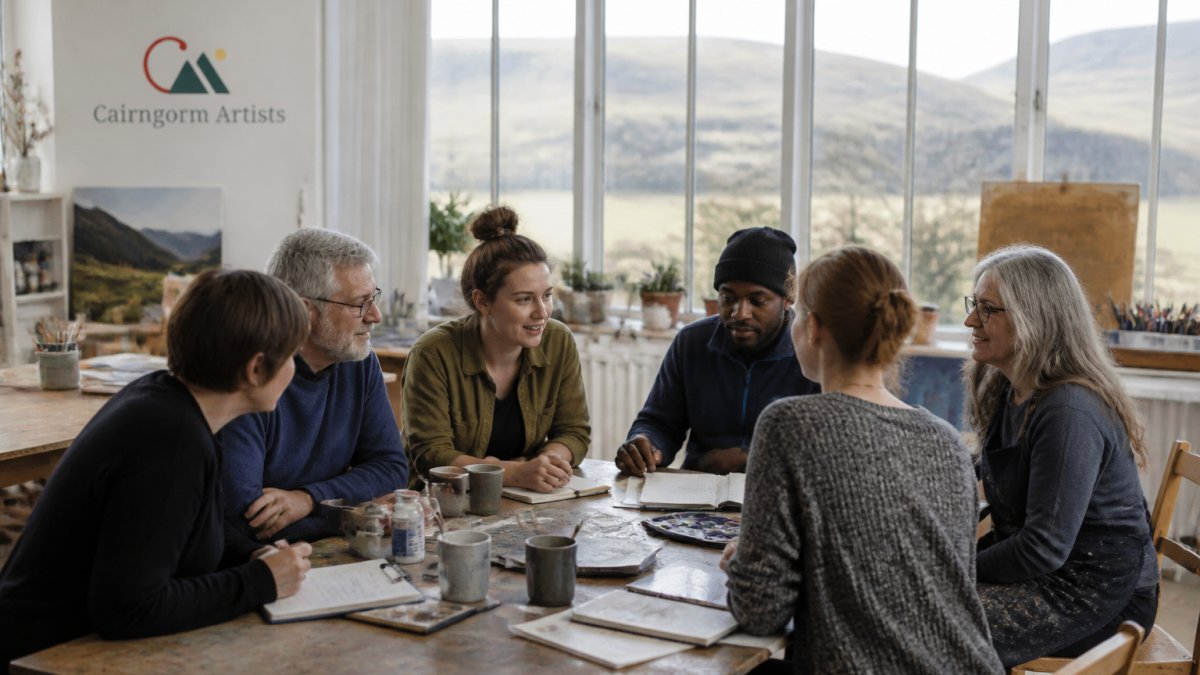
Cross-sector partnerships connect creative organisations with local government, education, health, and business sectors. A health service might partner with artists to deliver wellbeing programmes. Schools collaborate with creative practitioners on curriculum enrichment. These partnerships embed creative practice into community life beyond the arts sector alone.
Community-led partnerships put local people at the centre of decision-making. Rather than external organisations deciding what communities need, community members themselves lead initiatives. This approach builds trust, ensures cultural relevance, and develops local creative leadership.
Sustained engagement requires ongoing communication and relationship-building. One-off events create temporary energy but don't build lasting change. Regular programming, consistent funding, and genuine listening to community voices create conditions where creative practice flourishes.
Measuring partnership success means tracking both tangible outputs (artworks created, people engaged) and intangible outcomes (increased confidence, stronger social connections, improved sense of place). Both matter for demonstrating impact and securing continued support.
Measuring Impact and Sustaining Long-Term Support
Most guides to supporting Scottish creative communities stop at funding and partnerships. Very few explain how to measure what actually changed or how to keep work going after the first grant runs out. This section fills that gap with practical indicators, evaluation methods, and a simple approach to sharing evidence.
Start with a small set of indicators you can actually track. Funders and community partners respond better to a few well-evidenced measures than to a long list of vague aspirations. For participation, track the number of unique participants, repeat attendees, and the proportion who live in the local area. For inclusion, record age ranges, whether participants identify as disabled, and whether the project reached people who had not previously engaged with creative activity.
Use methods that fit the scale of your project. A small community project does not need a formal research team. Simple feedback forms, short interviews, observation notes, and photographs of work in progress are enough to build a credible picture. A common pattern is to ask participants three questions at the start and again at the end: what they hoped to get from the project, what they actually got, and what they would change.
Distinguish outputs from outcomes. Outputs are what you did: workshops delivered, artworks made, performances staged. Outcomes are what changed: confidence, skills, connections, sense of place. Funders increasingly ask for outcomes, but outputs are easier to count and still useful as context. Present both, and be honest about which is which.
Plan for sustainability from the start, not at the end. Projects that continue usually share a few features: diverse funding rather than reliance on a single grant, some earned income such as ticket sales, workshops, or commissions, a core group of local volunteers or paid staff, and at least one partner organisation with an ongoing stake.
Share what you learn. Evidence that stays in a drawer helps no one. Write a short case study, present at a local network meeting, or contribute to sector conversations through organisations such as Voluntary Arts Scotland or your local creative hub. Sharing both successes and difficulties builds trust with funders and helps other communities avoid the same problems. It also positions your community as a source of expertise, which attracts partnership and funding opportunities over time.
Framework for measuring cultural impact
Frequently Asked Questions
What are the main funding sources for creative projects in Scotland?
Creative Scotland administers the Open Fund, which supports arts and cultural projects across Scotland. Local councils also offer grants through community development programmes. Many communities combine public funding with fundraising, sponsorship, and earned income to sustain creative work over time.
How can I apply for the Creative Scotland Open Fund?
Visit the Creative Scotland website to check current funding rounds and deadlines. Applications typically require a clear project plan, budget, timeline, and evidence of community need or participation. You'll need to demonstrate how your project aligns with Scottish cultural policy priorities and outline realistic outcomes. Start preparing documentation early, and contact Creative Scotland directly if you have questions about eligibility.
What's the best way to support Scottish artists and makers if I don't have funding to give?
Purchase directly from independent artists and makers—every sale supports their practice. Attend exhibitions, performances, and cultural events. Share their work on social media and recommend them to friends. Volunteer with local arts organisations or creative groups. Collaborate with artists on community projects. These non-financial forms of support build audiences, reputation, and sustainable livelihoods for creative practitioners.
How does creative placemaking strengthen Scottish communities?
Creative placemaking uses arts and cultural activity to improve public spaces, strengthen social connections, and address local challenges. It transforms neighbourhoods through collaborative projects, public art, cultural events, and community-led initiatives. This approach builds pride in place, attracts visitors and investment, creates employment, and gives residents a voice in shaping their environment. It's particularly effective in rural and post-industrial areas seeking economic and social renewal.


