

Modern Scottish Coastal Landscape Paintings
Aug 26, 2026
Table of Contents
- What Defines Modern Scottish Coastal Landscape Paintings
- Abstract Interpretations of Scottish Coastlines
- Capturing the Light and Mood of the Scottish Seaside
- Inspiration from Scottish Harbour Villages and Coastal Settlements
- Original Oil Paintings vs. Art Prints: Understanding Your Options
- Why Support Independent Scottish Artists
- How to Style Coastal Landscape Art in Your Home
- Collecting Original Scottish Landscape Paintings: Investment and Provenance
Last Updated: August 26, 2026
What Defines Modern Scottish Coastal Landscape Paintings
Modern Scottish coastal landscape paintings capture the raw drama and shifting moods of Scotland's seascape with contemporary techniques and fresh interpretations. These works blend traditional landscape painting with abstract elements, vivid color palettes, and expressive brushwork to convey the emotional intensity of harbours, rocky shores, and island waters. At Cairngorm Artists, we work with Highland artists who paint this landscape not as tourists, but as people who live within it, translating decades of observation into pieces that resonate with collectors worldwide.
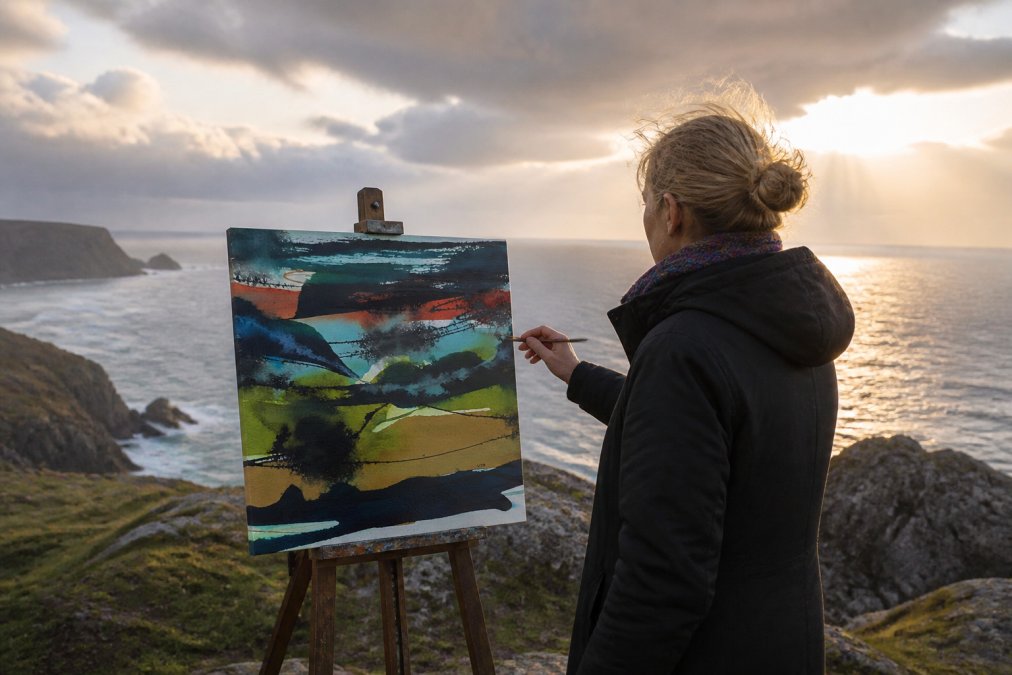
What separates modern Scottish coastal landscape paintings from earlier traditions is their willingness to move beyond literal representation. Contemporary artists use atmospheric effects, bold color contrasts, and gestural mark-making to capture the feeling of a place. A storm rolling over the sea becomes layers of indigo and charcoal pushing against vivid greens. The light itself becomes a subject, not just a technical consideration.
Collectors drawn to Scottish coastal landscape paintings often seek a connection to place, whether they've walked those cliffs themselves or feel a pull toward the untouched landscapes and maritime heritage Scotland represents. Understanding what makes these paintings distinctive helps you choose pieces that genuinely speak to you.
Abstract Interpretations of Scottish Coastlines
Abstract interpretations of Scottish coastlines abandon literal detail in favor of emotional truth. Rather than painting every wave and rock, contemporary artists use layered washes, energetic brushwork, and unexpected color combinations to convey the essence of a coastal moment, the wind, the shifting light, the raw energy of the sea meeting land.
This approach emerged from a simple observation: a photograph captures what a place looks like, but a painting captures what it feels like. When an artist builds a composition with deep indigos pushing against vivid greens and ochres, with flashes of red and pale teal cutting across the scene, they're suggesting wind and shifting light in ways that literal representation cannot.
Layered washes allow colors to interact and blend on the canvas itself, creating depth and luminosity that feels alive (peer-reviewed research). Energetic brushwork, loose, gestural marks rather than careful detail, conveys motion and emotion. For collectors, abstract interpretations offer flexibility. These pieces work in contemporary interiors, traditional settings, and eclectic spaces because they're not tied to a specific moment or location.
A piece like Storm over Glencoe at £44.00 presents an abstract reading of a rugged landscape, using layered color and texture to convey the approach of a storm. The composition holds attention and sets a mood without requiring exact recognition.

Capturing the Light and Mood of the Scottish Seaside
The defining challenge of Scottish coastal landscape painting is capturing light as a character in the scene. Scottish light is notoriously changeable, within a single hour, the same stretch of coast can shift from moody and dramatic to luminous and tranquil (bbc.co.uk).
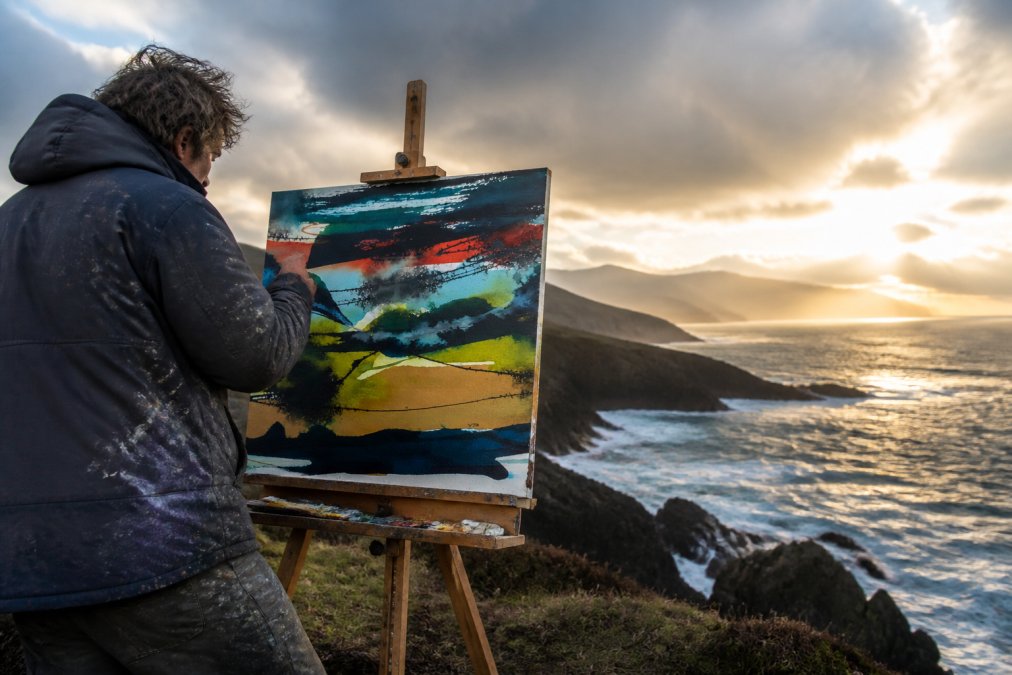
Layered washes form the foundation. Rather than applying a single flat color, artists apply multiple translucent layers, allowing light to pass through them and reflect off the canvas surface. This creates the luminous quality that distinguishes Scottish seascapes from flat, solid paintings.
Brushwork texture plays an equally important role. Subtle, measured strokes suggest calm; energetic, gestural marks convey turbulence. Color selection determines mood more than any other factor. Cool blues and greys create contemplative, atmospheric pieces. Warm ochres, golds, and soft mauves suggest golden hour or dawn. Bold reds and teals inject drama and energy.
Consider Ardnamurchan Lighthouse View at £218.00. The measured brushwork and subtle layering of light give the tower a lived-in presence while the horizontal seascape remains calm and contemplative. Every technical choice serves the mood.
Inspiration from Scottish Harbour Villages and Coastal Settlements
Scottish harbour villages provide endless inspiration for contemporary artists. Places like Salen on Mull, Easdale Island, and the countless small harbours along the Inner Hebrides offer specific visual material. Weathered boats rest on low tides, their peeled paint and rusted fittings telling of long seasons by the sea. Slate skies soften light and deepen muted greens and browns of the shoreline.
What draws artists to these settlements is the unpolished authenticity. Two boats leaning into each other create compositional balance. The texture of worn wood and salt-stained metal becomes subject matter. The dynamic between people and place becomes visible in these spaces.
Rust & Quiet, Old boats at Salen, Mull at £218.00 captures exactly this quality. Two weathered boats rest side by side on low tide, their asymmetrical forms creating an emotionally resonant composition.
For collectors, these pieces offer a different kind of connection. Rather than abstract interpretation, they provide specific place-based imagery. If you've walked these villages or feel a pull toward maritime heritage, harbour-inspired paintings create a tangible link to that sense of place.
Original Oil Paintings vs. Art Prints: Understanding Your Options
The choice between original paintings and art prints shapes both your investment and your experience of living with the work.
Original paintings are unique, one-of-a-kind works created directly by the artist. Each piece carries visible brushwork, texture, and the evidence of decision-making. At Cairngorm Artists, original artworks are available.
Art prints are reproductions of original paintings, created using professional printing techniques. Fine art prints use acid- and lignin-free paper, natural finishes, and textured matte surfaces that enhance depth (peer-reviewed research). Quality prints can be stunning, particularly when printed on premium paper with archival inks. They're more affordable than originals, making them accessible for collectors building a collection or testing a space before committing to larger investments.

Aspect |
Original Paintings |
Fine Art Prints |
|---|---|---|
Uniqueness |
One-of-a-kind |
Reproducible |
Brushwork & Texture |
Visible, tactile |
Reproduced texture on premium paper |
Price Range |
£44-£218+ |
£31-£169 |
Investment Potential |
Appreciates over time |
Limited appreciation |
Maintenance |
Climate control, insurance |
Minimal care required |
Ready to Display |
Depends on framing |
Yes, arrives ready to hang |
Best For |
Serious collectors, statement pieces |
Accessible entry point, testing spaces |
Many collectors start with prints, like the Storm over Glencoe Fine Art Print at £31.00, then upgrade to originals as their collection grows. Cairngorm Artists uses archival materials and professional printing techniques that ensure longevity and color fidelity.
Why Support Independent Scottish Artists
Supporting independent Scottish artists means investing in authenticity and creative autonomy that commercial galleries cannot guarantee. When you buy from Cairngorm Artists' collective of ten Highland artists, your purchase directly funds artists who live and work in the landscape they paint.
Independent artists reinvest revenue into materials, studio space, and continued development. They answer to themselves and their collectors, not to market trends or commercial pressure. This freedom produces more innovative, personal work.
The relationship is different. When you buy from an independent artist, you're often engaging directly with the person who created the piece. You understand their process, their inspirations, their connection to place. This transparency builds trust and deepens your connection to the work.
Without gallery markups or commercial distribution costs, independent artists can price fairly while maintaining sustainable income. You're paying for the work itself, not for retail infrastructure.
How to Style Coastal Landscape Art in Your Home
Scottish coastal landscape paintings work across multiple interior styles, but placement and pairing matter.
Scale and wall space: Larger pieces (like the Oystercatcher Beach canvas at £218.00) command attention and work best as focal points in living rooms or studies. Smaller pieces (like Curious Otter at £44.00) suit hallways, bedrooms, or clustered gallery walls.

Color coordination: Abstract pieces with bold color palettes anchor eclectic or contemporary spaces. Softer palettes integrate seamlessly into traditional or minimalist interiors. The artwork doesn't need to match your furniture, it needs to feel intentional alongside it.
Lighting: Natural light brings coastal paintings alive. Position pieces where daylight hits them directly, particularly during morning or late afternoon hours. The layered washes and brushwork texture catch light and shift throughout the day.
Grouping: Coastal landscape pieces work beautifully in pairs or small groups. A mix of abstract and representational pieces (like pairing Storm over Glencoe with Rust & Quiet) creates visual interest through contrast.
Room context: Living rooms and studies are natural homes for coastal landscape art. Bedrooms benefit from calmer pieces like Tide-Touched Stones at £169.00. Entryways suit dramatic pieces that set the mood as people enter.
The best interiors feature art because the owner genuinely connects with it, not because it matches a design scheme perfectly.
Collecting Original Scottish Landscape Paintings: Investment and Provenance
Collecting original Scottish landscape paintings as investments requires understanding provenance, artist trajectory, and market dynamics.
Provenance means documentation of ownership history and authenticity. When you acquire an original from Cairngorm Artists, you receive clear attribution to the artist, the creation date, and materials used. This documentation matters if you ever sell the piece or pass it to collectors.
Artist trajectory influences long-term value. Emerging artists whose work is gaining recognition represent different risk profiles than established artists with decades of exhibition history. Cairngorm Artists' collective includes both.
Market dynamics for Scottish landscape art have shifted. Contemporary interest in place-based art, environmental consciousness, and support for independent creators has elevated demand for authentic Highland work.
The practical approach: buy pieces you genuinely want to live with. If the work appreciates, that's a bonus. If it doesn't, you still own something that brings you joy daily.
Quality matters more than quantity. One original Skerryvore Lighthouse at £54.00 or Scalpay Lighthouse at £218.00 will appreciate more reliably than several lower-quality pieces. The artist's reputation, the work's technical execution, and the emotional resonance all factor into long-term value.
Documentation and care preserve investment value. Store certificates of authenticity safely. Maintain the piece in good condition through proper framing, climate control, and handling.
Collecting modern Scottish coastal landscape paintings connects you to place, supports independent artists, and brings authentic beauty into your home. Whether you start with an affordable print like Storm over Glencoe at £31.00 or commit to an original canvas, Cairngorm Artists ensures every piece arrives ready to hang with our safe-arrival promise. Explore the collection of work from ten Highland artists capturing the raw beauty of Scottish seascapes, and find the piece that speaks to your connection with this landscape.
Frequently Asked Questions
Q: What makes modern Scottish coastal landscape paintings different from traditional landscape art?
A: Modern Scottish coastal landscape paintings blend contemporary techniques with the raw geography of Scotland's seascapes. Contemporary artists use vivid colour palettes, expressive brushwork, and abstract layers to convey mood and atmosphere rather than literal detail. This approach captures the emotional energy of dramatic coastlines, glittery lochs, and rugged terrain in ways that feel immediate and alive. The result is art that honours the landscape while speaking to today's aesthetic sensibilities.
Q: Why support independent Scottish artists when buying coastal landscape paintings?
A: Independent Highland artists pour their lived experience into every piece, creating authentic work rooted in their environment. When you buy directly from emerging or established independent artists, your investment funds their creative practice and keeps artistic traditions alive in Scottish communities. You receive original work with genuine provenance, knowing exactly where your money goes. Supporting independent artists also means avoiding mass-produced reproductions, ensuring your home displays genuine creativity and a true sense of place.
Q: How do I choose the right Scottish coastal landscape painting for my home?
A: Start by considering the mood you want: tranquil serenity, dramatic energy, or intimate detail. Look at the colour palette and how it complements your existing décor. Harbour village scenes and lighthouse studies work well in living rooms and studies, while abstract coastal interpretations suit contemporary spaces. Consider the size relative to your wall space. Canvas prints offer durability and impact, while fine art prints provide subtle sophistication. Visit the artist's work online to understand their style and vision before deciding.
Q: What is the difference between original paintings and art prints of Scottish coastal landscapes?
A: Original paintings are one-of-a-kind works with unique brushwork, texture, and character. They command higher investment value and carry the artist's direct hand. Fine art prints reproduce original paintings using archival-quality paper and pigments, offering the aesthetic of the original at a lower price point with excellent longevity. Canvas prints provide durability and a textured finish that mimics painted surfaces. All three formats are legitimate ways to own Scottish coastal landscape art; your choice depends on budget, space, and whether you value singular authenticity or accessibility.
Q: How do I display and care for Scottish coastal landscape paintings?
A: Hang artwork away from direct sunlight to prevent fading and maintain colour vibrancy. Avoid damp environments like bathrooms, which can can damage paper and canvas. Use proper hanging hardware suitable for your wall type and artwork weight. Dust canvas and prints gently with a soft cloth. Keep framed pieces out of high-traffic areas where they might be bumped. For valuable original paintings, consider UV-protective glass or display in climate-controlled rooms. Most quality pieces from Highland artists arrive ready to hang with protective finishes and solid frames.


