

How to Clean and Maintain Original Wildlife Paintings
Sep 23, 2026
Table of Contents
- How to Clean and Maintain Original Wildlife Paintings: Essential Steps
- Best Tools for Cleaning Oil Paintings
- How to Protect Original Art from Humidity
- Frequently Asked Questions
Last Updated: September 22, 2026
How to Clean and Maintain Original Wildlife Paintings: Essential Steps
Learning how to clean and maintain original wildlife paintings prevents damage from dust, humidity, and sunlight, simple home maintenance protects them for decades.
Best Tools for Cleaning Oil Paintings
Cleaning methods depend on your painting's medium, oils, acrylics, watercolors, gouache, or mixed media each require different approaches.
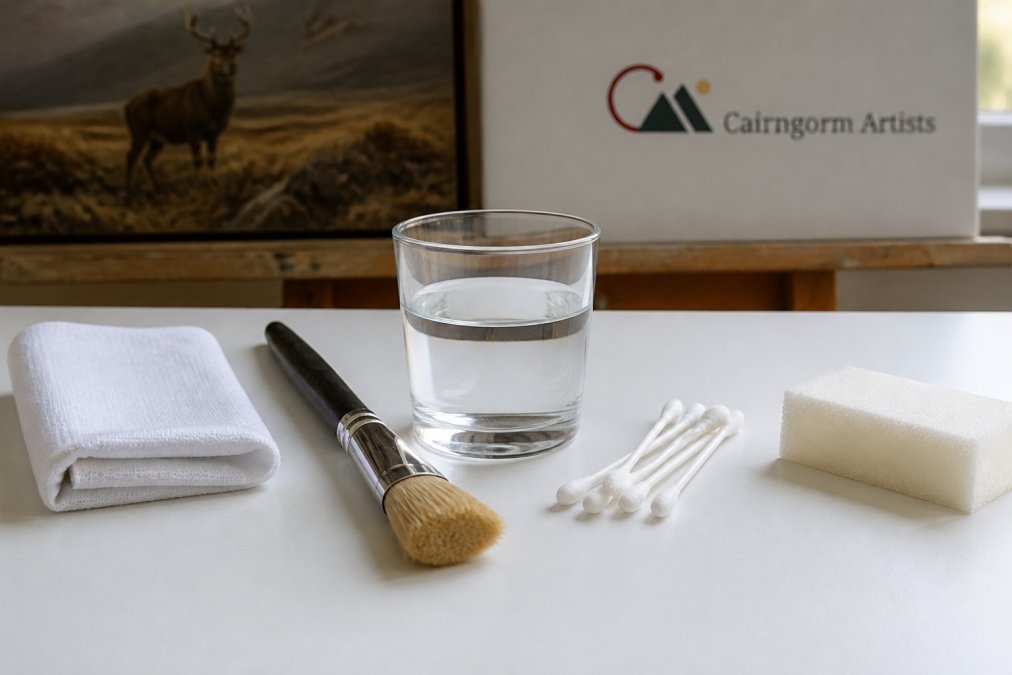
For Oil-Based Wildlife Paintings
For oil paintings, use a soft-bristled brush, lint-free cloth, and distilled water only. Dust every three months with light strokes.
For Acrylic and Watercolor Wildlife Art
Acrylics and watercolors are water-soluble; use dry-cleaning only with a soft brush or dry cloth. Never use water unless the painting has archival varnish.
For Mixed-Media and Textured Wildlife Paintings
Mixed-media works are most fragile; identify all media before cleaning and use the most conservative approach. Never clean if paint is loose or flaking.
Environmental Control (Applies to All Media)
Regardless of medium, environmental stability prevents most damage:
- Humidity: Keep rooms between 40-50% humidity using a basic humidity meter.
- Temperature: Avoid swings greater than 10°F daily; living rooms are ideal.
- Sunlight: Position paintings away from windows or use UV-protective glazing.
- Storage: Use acid-free boxes, never plastic.
When Medium Matters for Professional Help
If unsure of your painting's medium, consult a conservator before cleaning; a professional assessment is far cheaper than restoration.
How to Protect Original Art from Humidity
Humidity is the primary threat to wildlife paintings, causing mold, warping, and cracking. Target stability, not perfection.
Ideal Humidity Range and Monitoring
Target 45% relative humidity with a basic humidity meter. Signs of damage include dark spots, mold, canvas warping, cracking, or paint lifting.
Environmental Stability Strategy
Consistency matters more than perfection, steady 50% RH is healthier than swings between 30-70%. Avoid temperature swings over 10°F daily; living rooms are ideal. Position paintings away from windows or use UV-protective glazing. Store in acid-free boxes, never plastic or damp environments.
The DIY Maintenance Threshold: When to Stop and Call a Professional
Environmental control and gentle dusting are safe DIY tasks. Stop immediately and consult a conservator if you observe mold, cracks, paint flaking, warping, or water damage.
Professional Assessment Cost vs. Risk
A conservation assessment is insurance against a costly restoration bill from a single wrong cleaning attempt.
Preventative Maintenance Routine
Maintain monthly humidity checks, quarterly gentle dusting, and professional assessments every 5 years to keep your wildlife painting vibrant for decades.
Frequently Asked Questions
What is the safest way to remove dust from an original oil painting?
Use a soft-bristled brush or lint-free cloth to gently dust the surface, moving in one direction. Avoid circular motions, which can push dust into the paint. For delicate impasto textures, use a soft brush with minimal pressure. Never use water, household cleaners, or vacuum cleaners, as these risk damaging the varnish and canvas. If dust persists in crevices, consult a professional conservator.
How do environmental factors like humidity affect original canvas art?
Humidity causes canvas to expand and contract, leading to cracking, warping, and paint flaking. Oil paintings need stable humidity levels between 45-55% to prevent damage. Fluctuating humidity accelerates pigment degradation and can encourage mold and mildew growth. Direct sunlight combined with humidity accelerates fading. Use a dehumidifier in damp rooms and avoid hanging paintings near bathrooms or kitchens where moisture levels spike.
When should I hire a professional art conservator?
Seek professional restoration if you notice visible cracking, discoloration that doesn't respond to gentle dusting, flaking paint, mold or mildew, water damage, or significant fading. Wildlife paintings with intricate detail and layered glazing require expert care if damage is present. A conservator can assess whether the piece needs cleaning, varnish restoration, or canvas repair. DIY attempts on damaged paintings can worsen the problem permanently.
Protecting original wildlife paintings keeps them vibrant. Regular dusting, humidity control, and proper storage are all you need for basic maintenance. When damage appears, cracking, mold, or fading, consult a professional conservator before attempting repairs. Cairngorm Artists creates paintings built to last, but they deserve the care that preserves their beauty. Visit our collection to discover original Highland wildlife art designed to become part of your home's story.


